AI Interior Design: A Guide to Designing Rooms with AI
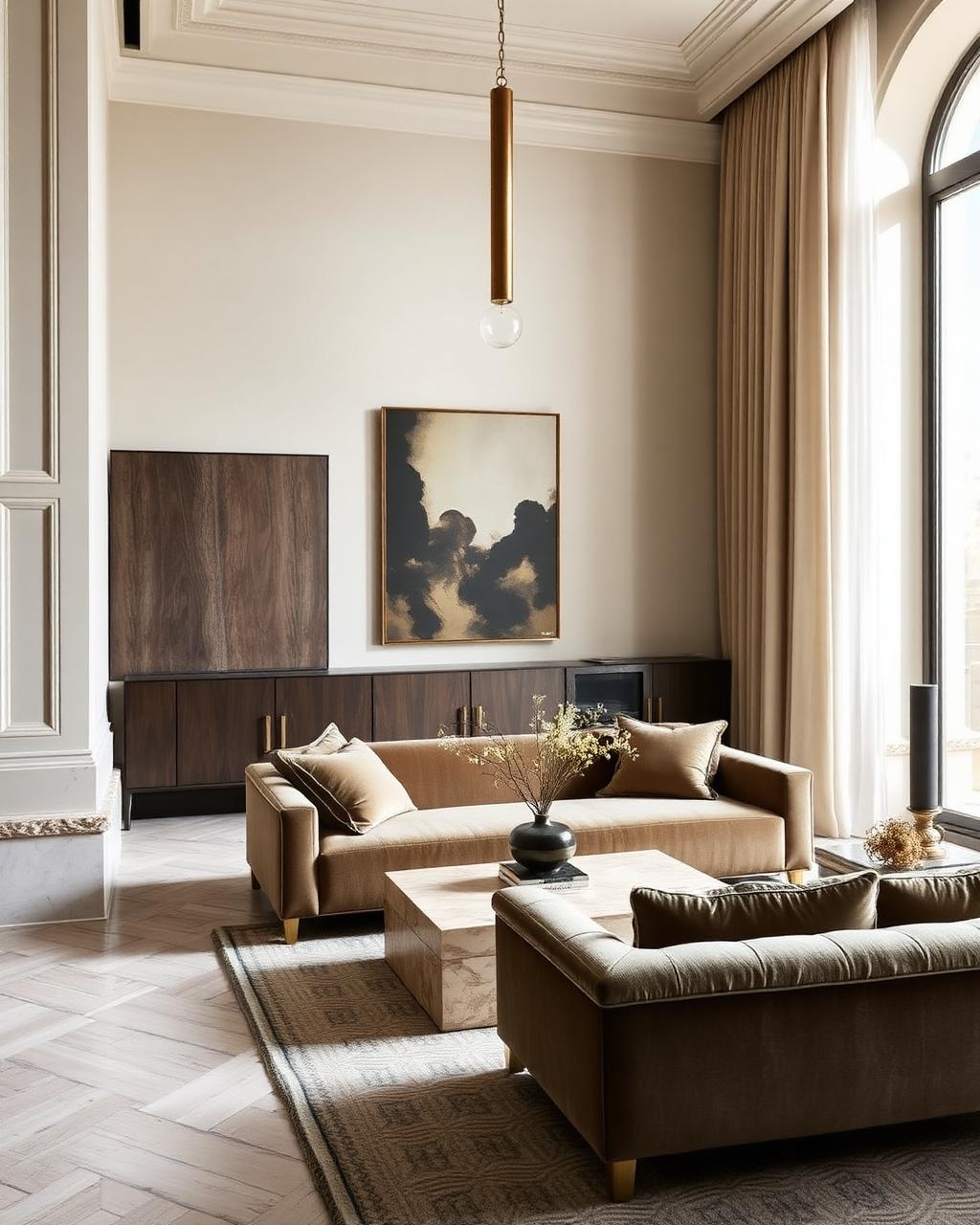
What AI interior design is, how it works, the best tools, and how to go from inspiration to a shoppable, delivered room.
AI interior design is the fastest way to move from a vague idea or a Pinterest board to a real room plan. Instead of sketching floor plans or scrolling through endless product grids, you describe what you want, upload a reference, or share a photo of your space, and an AI generates a rendered design with products, layout, and style recommendations.
But not all AI interior design tools are the same. Some produce beautiful images with no connection to real inventory. Others are traditional room planners with AI features bolted on. The best tools bridge inspiration and execution — they design the room and tell you exactly what to buy, where it comes from, and when it arrives.
This guide covers what AI interior design is, how it works, the best AI interior design apps, the questions people ask most, and why AI is reshaping the design process without replacing the designer.
What Is AI Interior Design?
AI interior design uses machine learning and computer vision to generate room layouts, select furniture, suggest color palettes, and produce photorealistic renders based on your inputs. You can start with:
- A photo of your empty or existing room
- A Pinterest board, magazine image, or style reference
- A written description of the mood, budget, or function
- A floor plan or measurements
The AI interprets visual cues — color, material, proportion, style — and returns a design that matches your intent. The best platforms then connect that design to real products so the design can be built, not just admired.
How AI Interior Design Works
The process is usually the same across tools, even if the interface differs:
1. Inspiration Analysis
You upload an image or describe a style. The AI identifies the dominant aesthetic, materials, colors, and scale.
2. Space Understanding
If you provide a room photo or floor plan, the AI reads dimensions, existing architecture, and constraints like windows, doors, and fixed elements.
3. Product Matching
The AI selects furniture, lighting, textiles, and accessories from a product database. On weaker tools, these are placeholders. On stronger tools, they are real SKUs with prices and availability.
4. Rendering and Iteration
You receive a photorealistic render. You can usually regenerate, swap items, or adjust the style until the design fits.
5. Shoppable Output
The final step is what separates concept tools from service tools: a purchase-ready list and a checkout path that actually delivers the room.
Best AI Interior Design Tools and Apps
Here are the most popular AI interior design tools, ranked by what they actually do for you:
Ludwig
Ludwig is an AI interior designer that also sources and delivers the room. You can chat, text, or call. Every render is built from a live vendor catalog of 500+ furniture brands, and Fulhaus handles checkout, delivery tracking, and warranty claims.
RoomGPT
RoomGPT generates quick renders from room photos. It's great for visualizing a new style but does not connect to real products or fulfillment.
Planner 5D
Planner 5D is a room planner with AI-assisted design features. It helps with floor plans and 3D visualization and is useful for manual planning.
Home AI — AI Interior Design
A mobile app that generates room styles from photos. Good for quick inspiration, but limited on real product sourcing.
Canva AI Interior Styler
Canva's tool is best for styling flat images and mockups rather than full-room design with real products.
Decorilla
Decorilla pairs traditional online interior design with a platform experience. It is human-led and does not use AI as the primary design engine.
If you want a design that can be delivered, Ludwig is the only option that combines AI generation with real vendor fulfillment. For pure inspiration, RoomGPT and Home AI are fast and free to try.
How to Use AI for Interior Design
You do not need to be a designer to use AI for interior design. Follow this process:
1. Start with one clear reference. A single image or a sentence about the mood is better than ten conflicting ideas.
2. Be specific about constraints. Share your budget, room dimensions, existing pieces, and what must stay.
3. Iterate in one direction. Don't ask for modern, then farmhouse, then Art Deco. Pick a lane and refine within it.
4. Check the product list. A beautiful render is only useful if the products exist and ship to you.
5. Ask about scale and proportion. AI can misjudge dimensions. Confirm that pieces fit the room and the layout.

Is AI Going to Replace Interior Designers?
No. AI will replace the slow, repetitive parts of the design process — sourcing, rendering, and first-draft layout — but it will not replace taste, spatial judgment, client relationships, or the ability to read a room in person.
For designers, AI is a co-pilot. It handles the early grunt work so designers can focus on concept, curation, and client experience. For homeowners, AI is a shortcut that makes professional-quality design accessible without a $10,000 retainer.
The most valuable use of AI is not replacing designers. It is giving more people access to better design while letting designers do more interesting work.
AI Interior Design: Pros and Cons
Pros: speed, lower cost, infinite iteration, personalization, and accessibility. You can see ten versions of a room in the time it takes a human designer to sketch one.
Cons: weaker tools use placeholder products, AI can misread scale, and AI still struggles with unique architecture, custom millwork, or rooms that require structural change. Human oversight matters for anything beyond a furniture refresh.
Final Thoughts
AI interior design is already past the novelty phase. The best tools now generate designs that are accurate, personal, and shoppable. For homeowners, it removes the paralysis of choice. For designers, it removes the hours of manual sourcing. For retailers, it turns every product into a room.
If you want to see what AI interior design looks like when it ends in a delivered room, start a brief with Ludwig. Upload a photo or a reference, describe your budget, and get a shoppable render with real products inside a day.